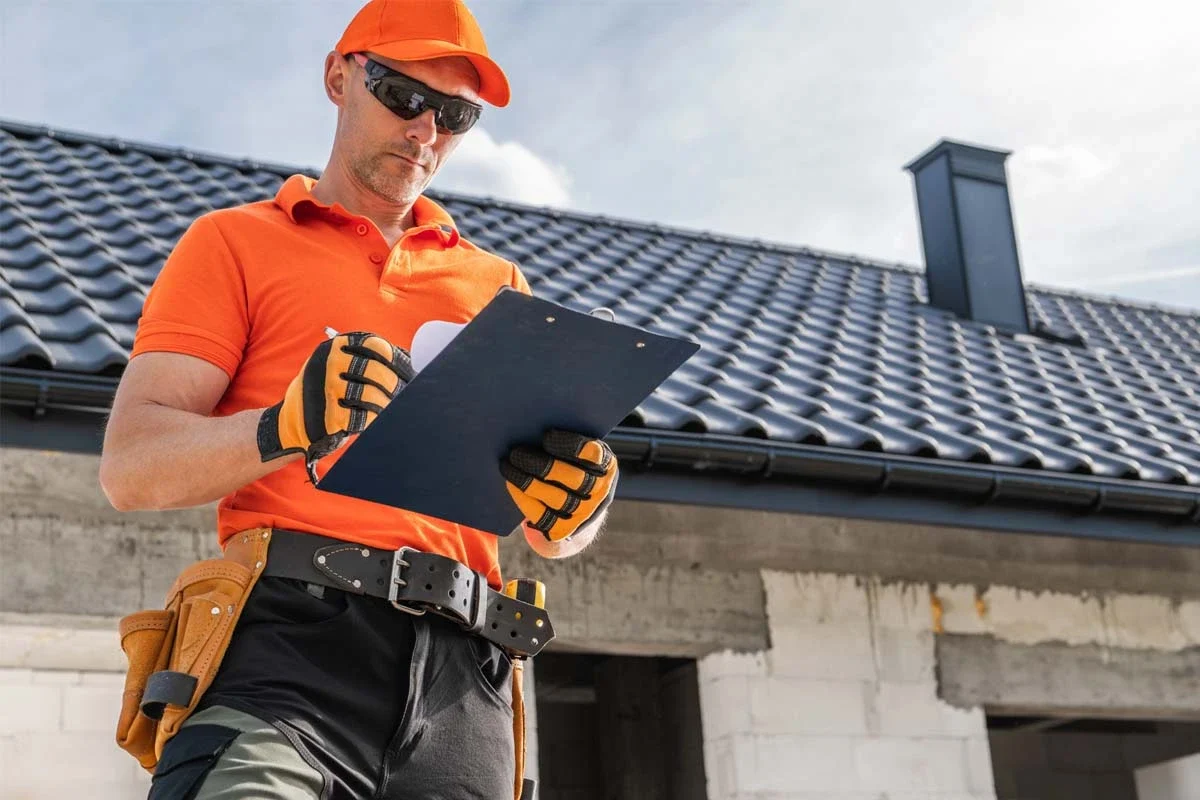
A roof inspection is an essential step in maintaining the safety, performance, and lifespan of your roofing system. At Equinox Roofing, our professional roof inspection service helps homeowners and businesses identify existing problems, prevent costly repairs, and understand the overall condition of their roofs. A detailed inspection includes checking roofing materials, structural components, drainage systems, and possible signs of damage to provide a complete assessment of your property.
Whether you need a residential roof inspection, commercial assessment, or a detailed evaluation after weather damage, understanding the roof inspection process can help you make informed decisions about your property.
Why Is a Professional Roof Inspection Important?
Your roof protects your home or commercial building from weather, moisture, and environmental elements. Over time, exposure to sunlight, rain, wind, and temperature changes can affect roofing materials and reduce their effectiveness.
A professional roof inspection provides a detailed evaluation that goes beyond a simple visual check. Roofing professionals have the experience to identify hidden problems that may not be noticeable to property owners.
Regular inspections can help:
- Detect leaks before they cause interior damage
- Identify damaged or aging roofing materials
- Improve roof performance and durability
- Prevent unexpected repair costs
- Maintain manufacturer warranty requirements
- Prepare your property before buying or selling
Equinox Roofing provides expert roofing evaluations for different roofing systems, including Residential Roofing, Commercial Roofing, Flat Roofing, and Metal Roofing solutions.
What Is Included in a Roof Inspection?
A complete inspection covers multiple areas of your roofing system. The goal is to understand the current condition of the roof and identify any repairs or maintenance needed.
A typical roof inspection checklist includes:
1. Exterior Roof Examination
The first step of the inspection process is checking the outside condition of the roof. Roofing professionals examine the visible surface for signs of wear, damage, or deterioration.
This includes inspecting:
- Missing, cracked, or damaged shingles
- Broken or worn roofing materials
- Loose flashing around roof penetrations
- Damaged vents and roof accessories
- Signs of water damage
- Areas affected by weather exposure
This evaluation helps determine whether the roof surface is performing properly or requires attention.
2. Roof Structure Assessment
A roof inspection also involves checking the structural condition of the roofing system. The inspector looks for signs that may indicate underlying issues.
Structural evaluation may include:
- Sagging roof areas
- Uneven sections
- Damaged support components
- Weak areas caused by moisture exposure
- Signs of long-term deterioration
Identifying structural concerns early can help prevent more extensive damage in the future.
3. Checking Flashing and Roof Connections
Flashing plays an important role in preventing water from entering vulnerable areas of your roof. During an inspection, professionals examine flashing around areas such as:
- Chimneys
- Skylights
- Roof edges
- Valleys
- Vent openings
Damaged or improperly installed flashing is one of the common causes of roof leaks.
4. Attic and Interior Inspection
A complete roof damage inspection may also include checking the interior areas of your property. The attic can provide important information about roof performance.
Inspectors may look for:
- Water stains
- Moisture buildup
- Mold growth
- Poor ventilation
- Signs of leaks
- Damaged insulation
Interior inspection helps connect visible roof conditions with possible problems inside the building.
Understanding the Roof Inspection Process
The roof inspection process typically follows a structured approach to ensure every important area is reviewed.
Step 1: Initial Roof Evaluation
The inspector begins by reviewing the overall condition of the property. They may discuss the roof’s age, previous repairs, maintenance history, and any concerns reported by the owner.
This information helps guide the inspection and identify areas requiring additional attention.
Step 2: Detailed Roof Examination
The roofing professional examines the roof surface, materials, drainage components, and structural areas. Depending on the roof type and condition, specialized tools may be used to identify potential issues.
For example, different roofing systems require different inspection approaches:
- Residential roofing inspections focus on shingles, flashing, ventilation, and common homeowner concerns.
- Commercial roofing inspections often involve larger systems, drainage evaluation, and long-term performance checks.
- Flat roofing inspections focus on membrane conditions, pooling water, and sealing areas.
- Metal roofing inspections examine panels, fasteners, coatings, and corrosion risks.
Step 3: Identifying Roof Problems
After examining the roof, the inspector documents any issues found. Problems may range from minor maintenance concerns to larger repair needs.
Common findings include:
- Leaking areas
- Damaged roofing materials
- Poor drainage
- Aging components
- Storm-related damage
- Ventilation problems
Step 4: Preparing a Roof Inspection Report
After completing the inspection, professionals usually provide a detailed roof inspection report. This document explains the condition of the roof and outlines recommended actions.
A roof inspection report may include:
- Photos of damaged areas
- Description of identified problems
- Roof condition summary
- Recommended repairs or maintenance
- Estimated next steps
This report helps property owners understand their roof’s current condition and make informed decisions.
How Often Should You Schedule a Roof Inspection?
The recommended frequency of inspections depends on factors such as roof age, weather exposure, and previous maintenance history.
Many property owners schedule inspections:
- Once or twice per year for regular maintenance
- After severe storms or extreme weather
- Before purchasing a property
- Before selling a property
- When signs of leaks or damage appear
Regular inspections allow small issues to be addressed before they develop into expensive roofing problems.
Signs You May Need a Roof Damage Inspection
Some roof problems require immediate professional attention. You may need a roof damage inspection if you notice:
- Water stains on ceilings or walls
- Missing or damaged shingles
- Visible cracks or roof deterioration
- Increased energy costs
- Leaks after rainfall
- Sagging areas
- Damaged flashing
- Storm or wind damage
Ignoring these warning signs can lead to more extensive damage to your roofing system and property.
Benefits of Hiring Equinox Roofing for Roof Inspections
Choosing an experienced roofing company ensures your roof receives a thorough and accurate evaluation. Equinox Roofing focuses on identifying problems clearly and helping customers understand their available options.
Our team provides professional inspections for:
- Residential properties
- Commercial buildings
- Flat roofing systems
- Metal roofing systems
With a detailed inspection approach, we help property owners protect their investment and maintain reliable roof performance.
Frequently Asked Questions
- How long does a professional roof inspection take?
The inspection time depends on the size, design, and condition of the roof. Most inspections involve a detailed evaluation of roofing materials, structure, drainage, and possible damage. - What happens after a roof inspection?
After the inspection, you receive information about the roof’s condition along with recommendations for repairs, maintenance, or future monitoring. - Can a roof inspection find hidden leaks?
Yes. Professional inspectors can identify warning signs of leaks, moisture issues, and damaged areas that may not be visible during a basic visual inspection. - Is a roof inspection necessary before replacing a roof?
Yes. An inspection helps determine whether repairs are sufficient or if a complete roof replacement may be needed. - What should I expect in a roof inspection report?
A roof inspection report typically includes findings, photos, roof condition details, and recommended solutions.
Final Thoughts
A professional roof inspection provides valuable information about the condition, safety, and performance of your roofing system. From identifying early damage to creating a detailed roof inspection report, a thorough evaluation helps property owners avoid unexpected problems and protect their investment.
Whether you need a residential roof inspection, commercial evaluation, or roof damage inspection after severe weather, Equinox Roofing provides reliable roofing solutions designed around your property’s needs. Scheduling regular inspections can help extend the life of your roof and ensure your building remains protected for years to come.