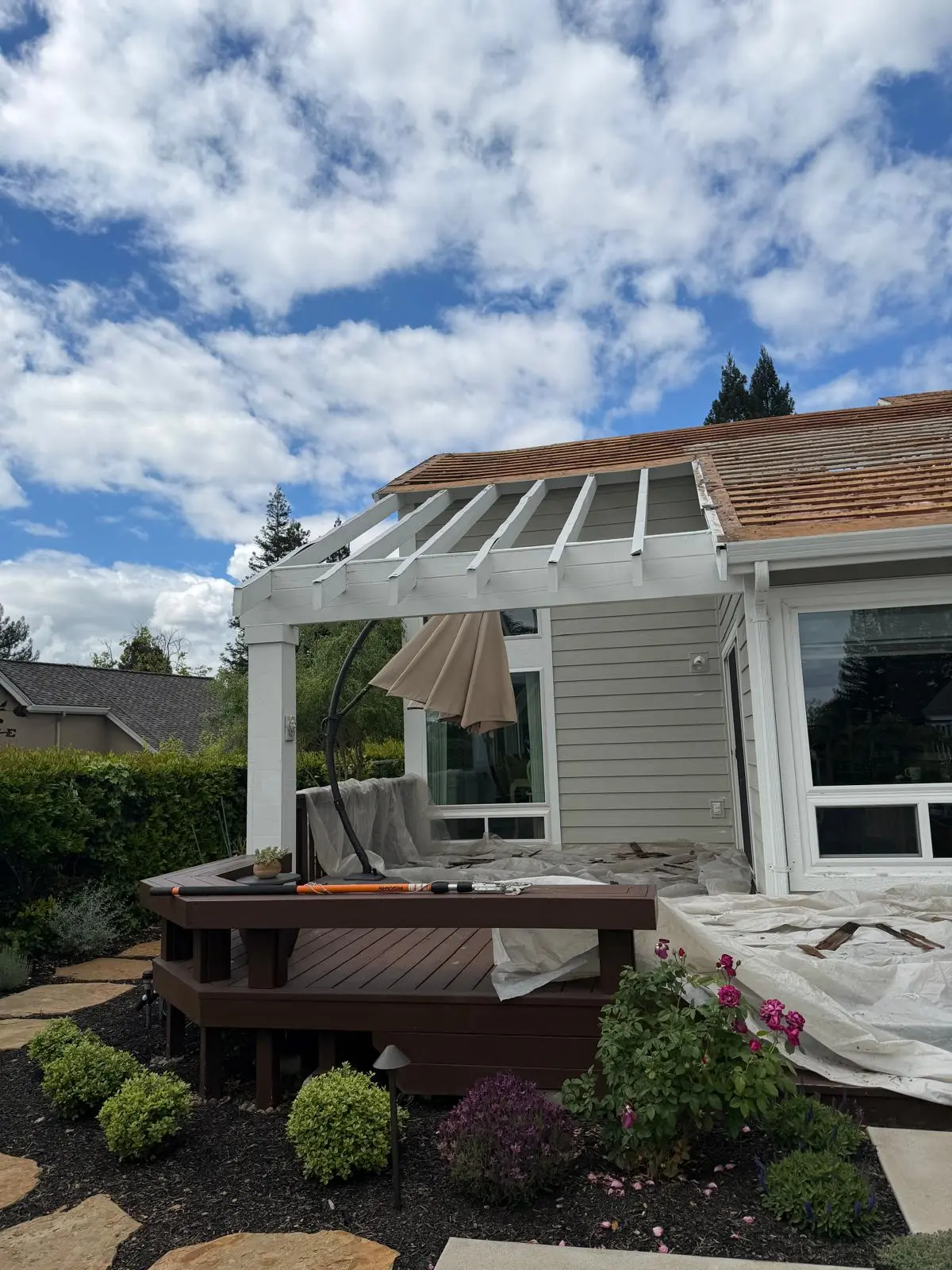
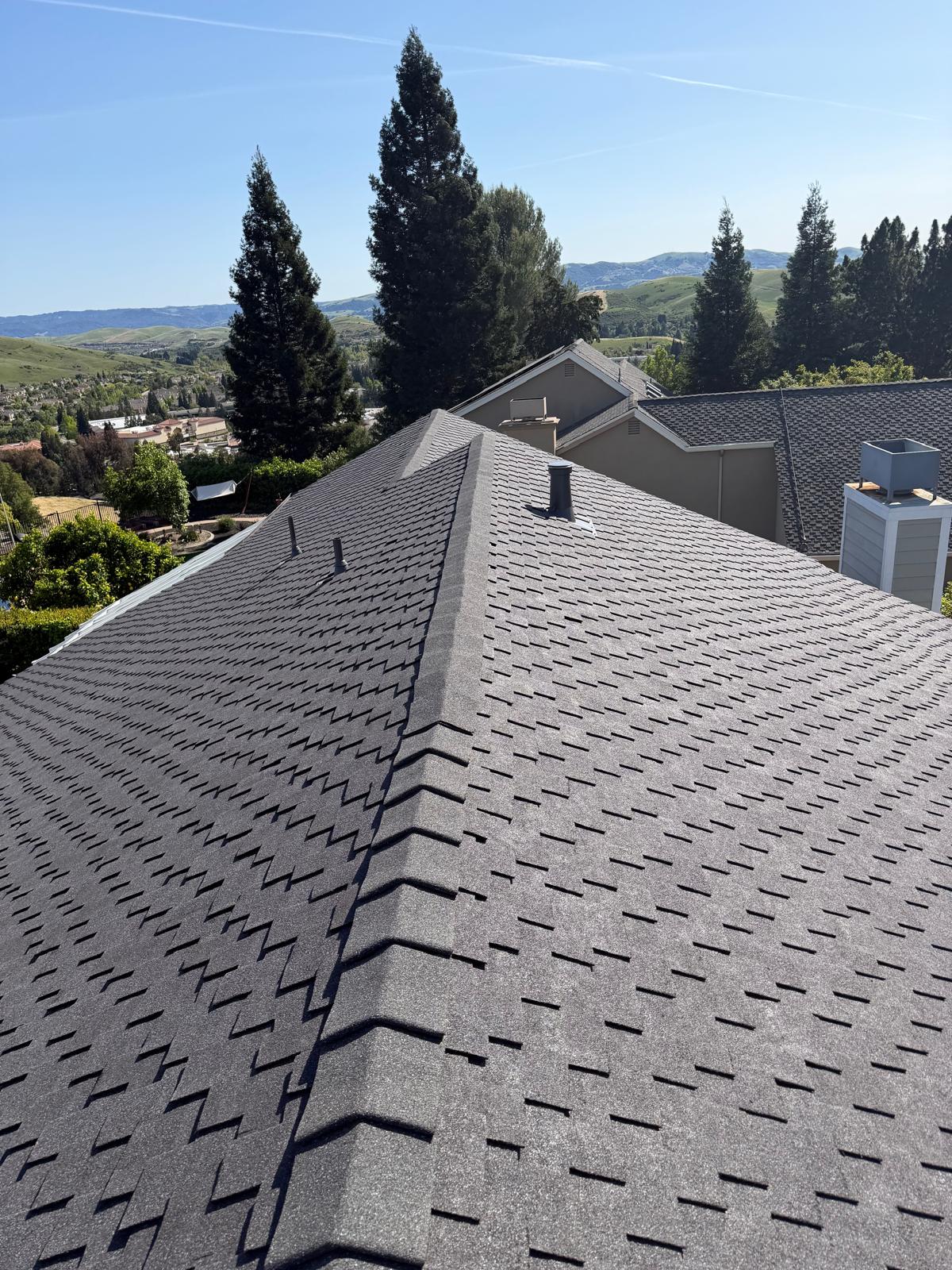
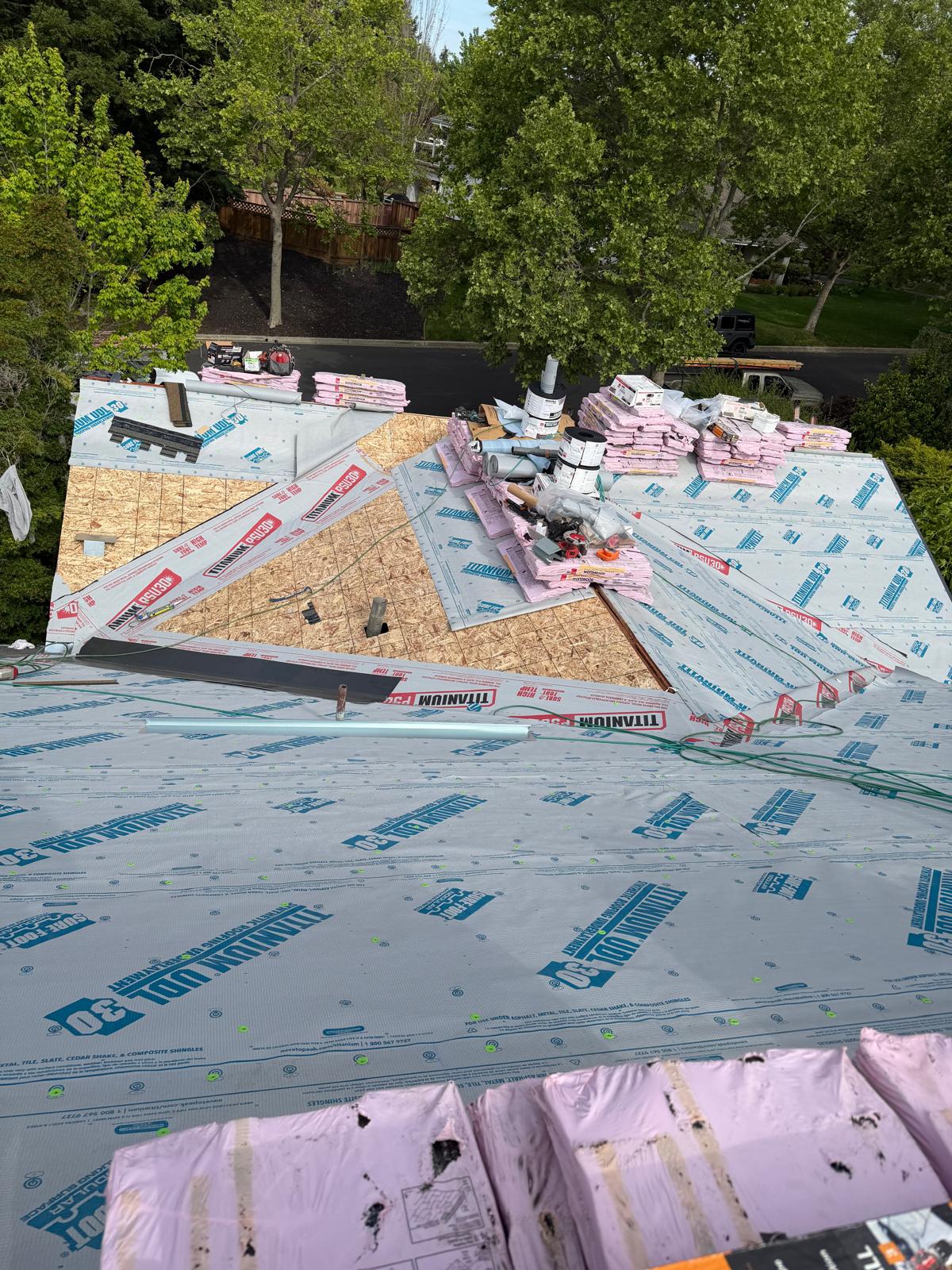
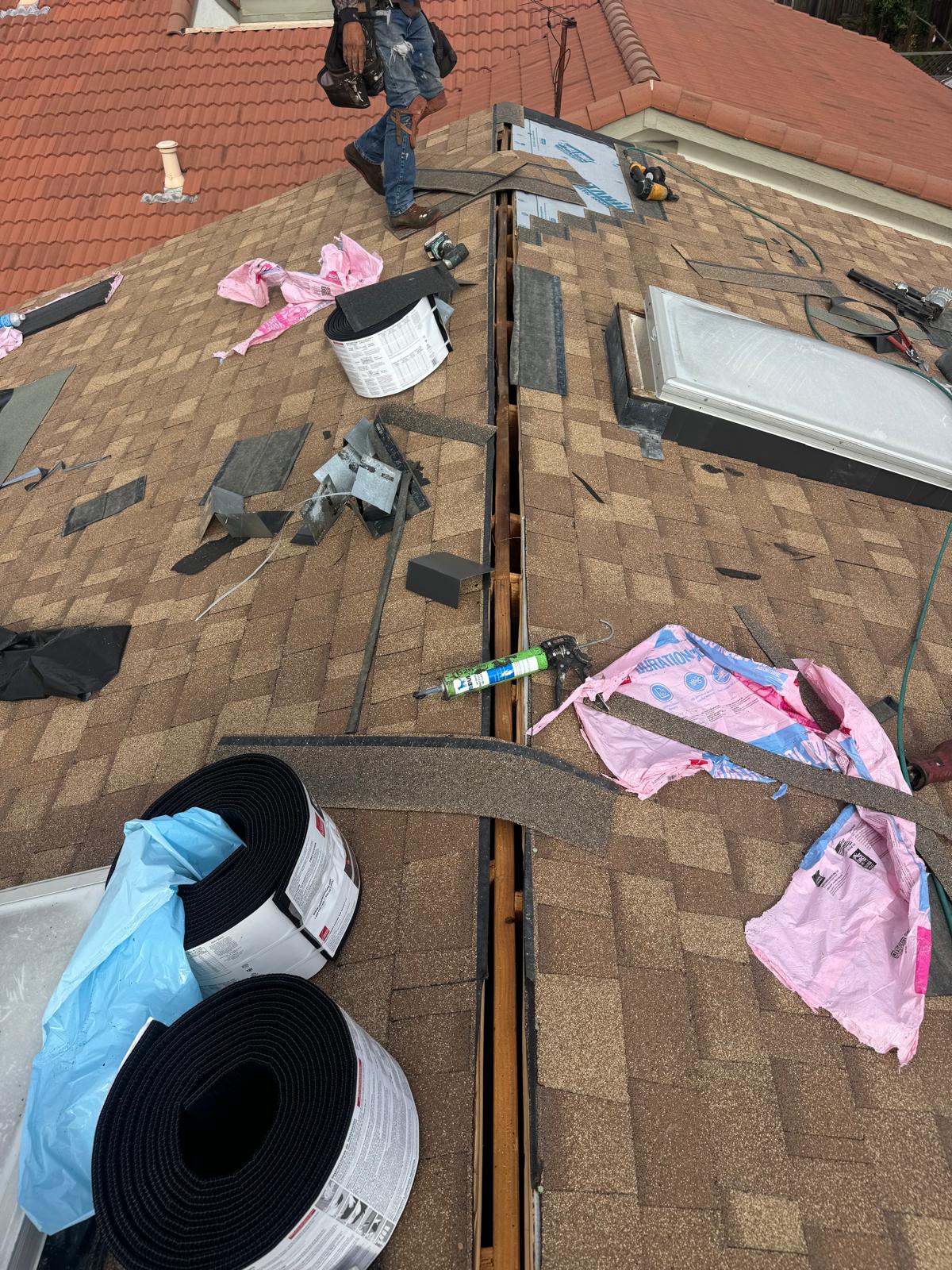
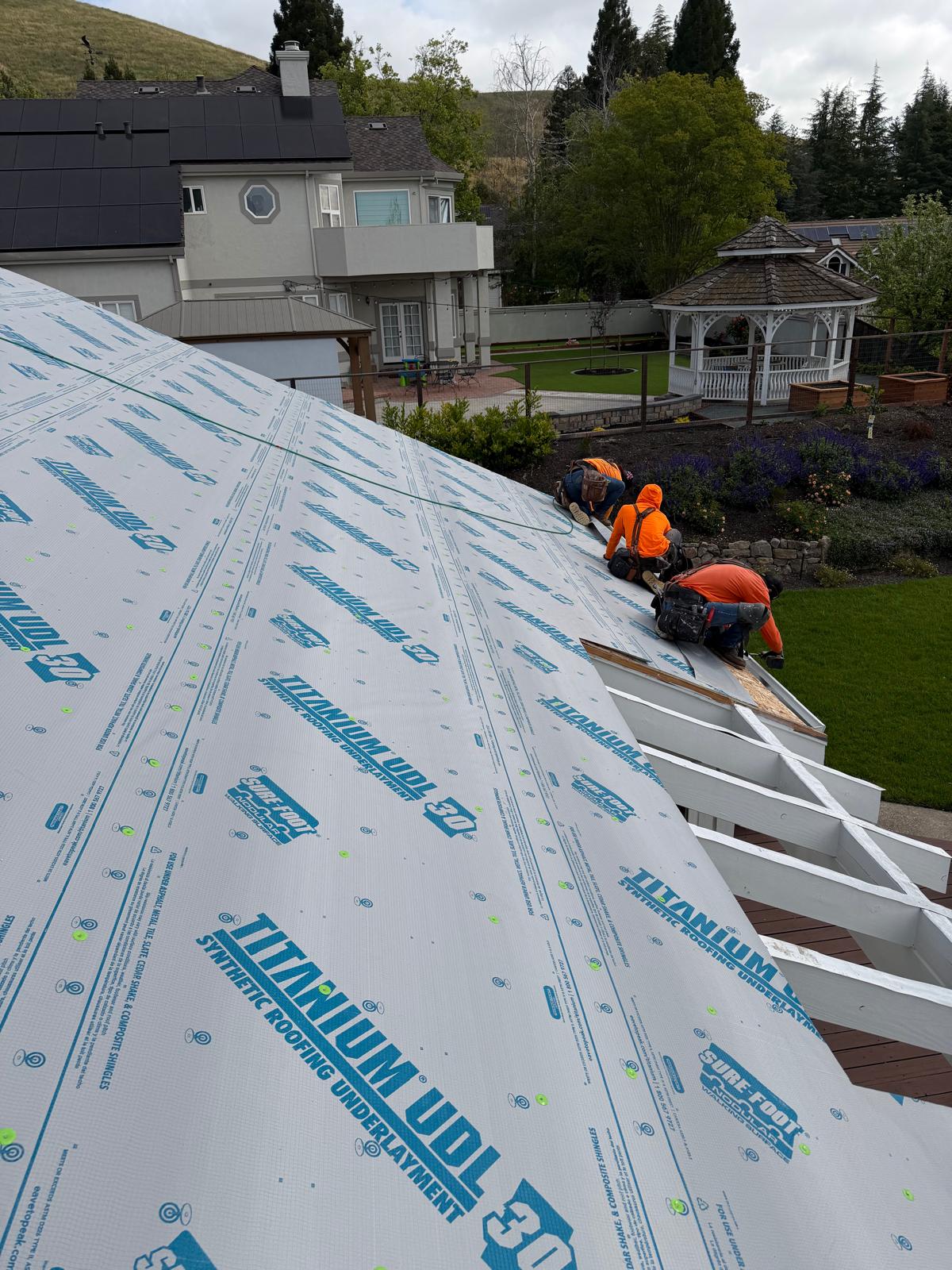
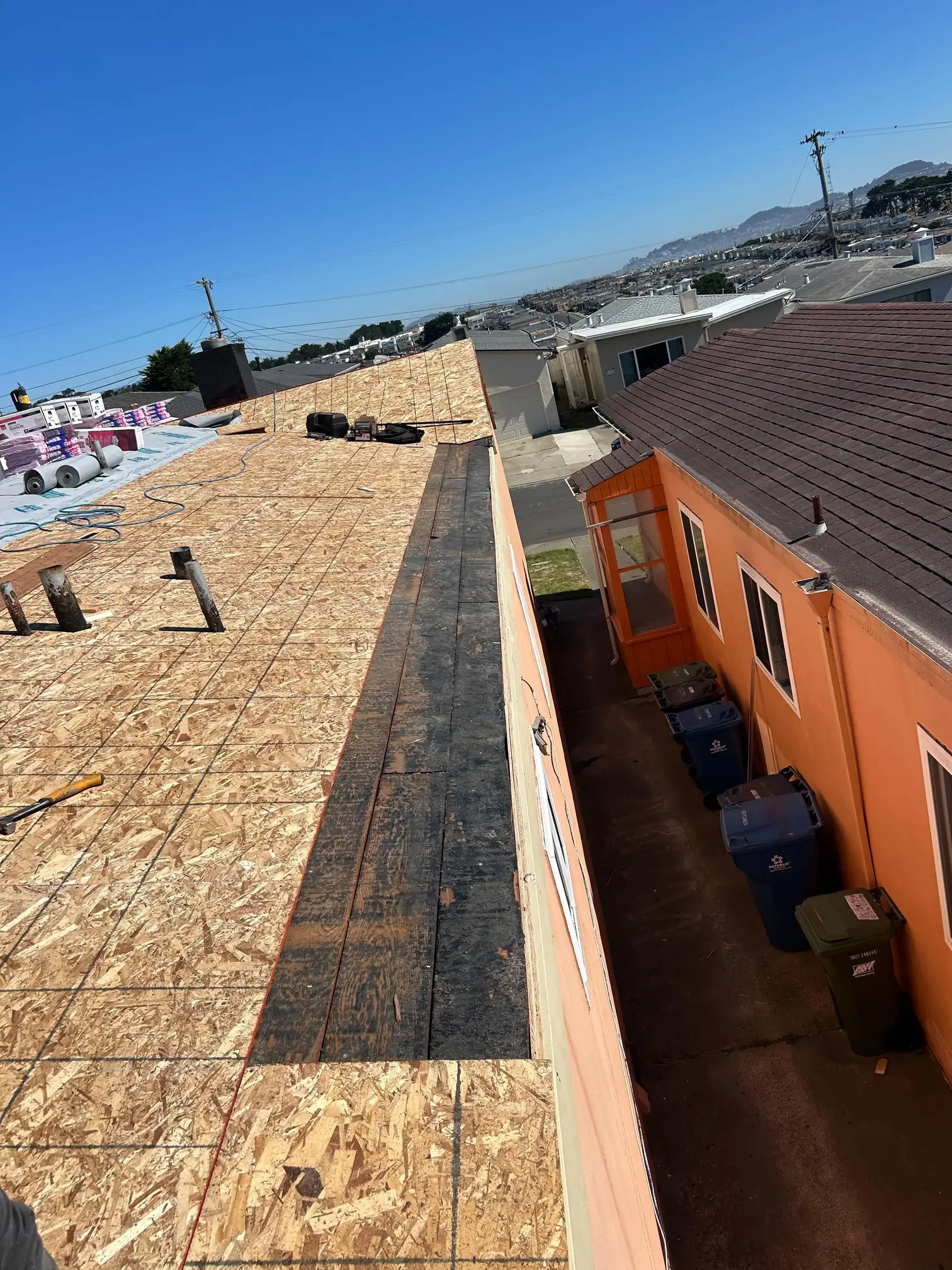
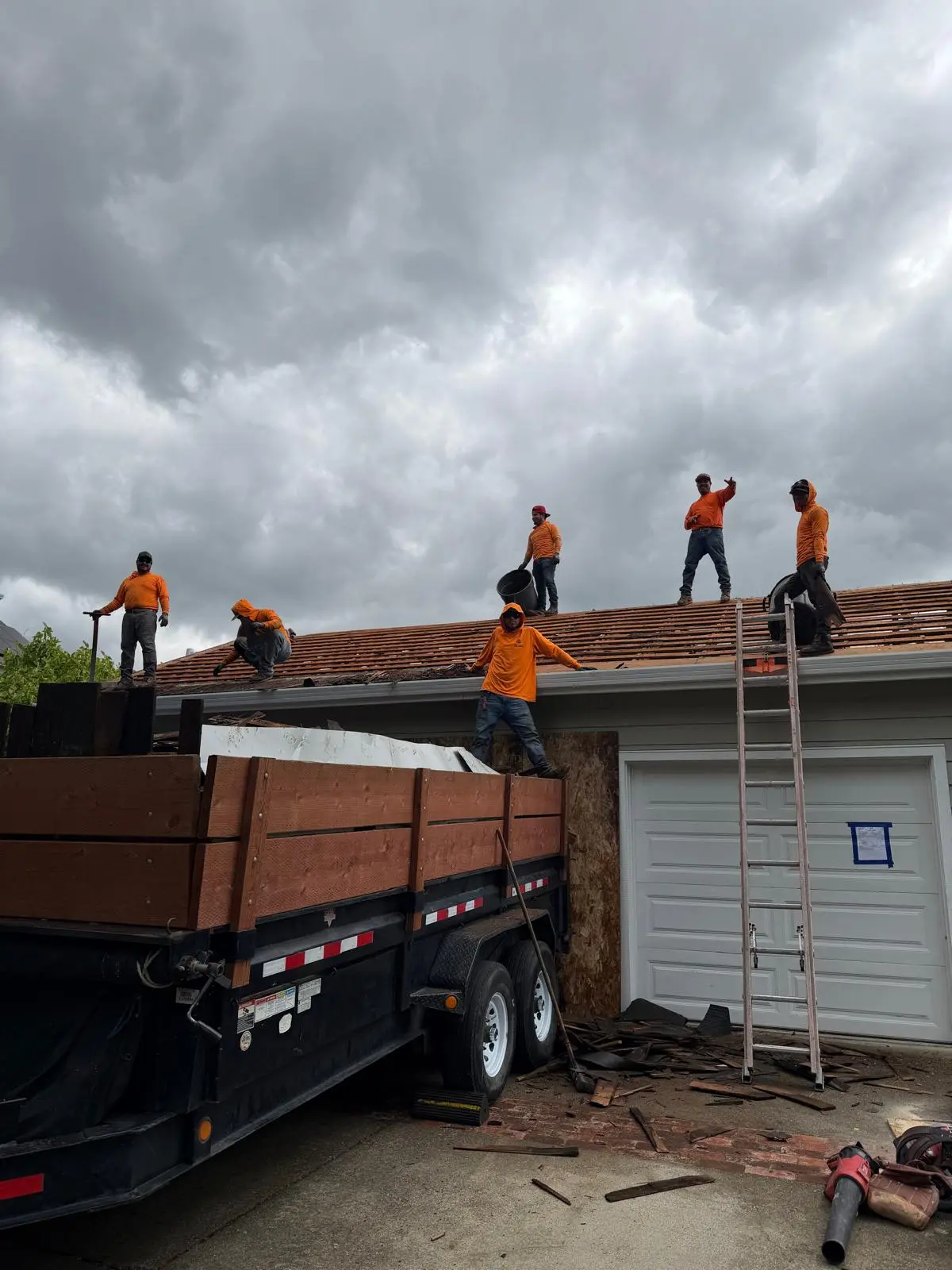
Roofing work in San Francisco should start with the building,
not with a predetermined material or replacement plan. A Victorian
home with several roof additions may require a very different approach
from a modern flat-roof property, multi-family building or commercial
facility. Roof slope, drainage, previous repairs, existing layers,
parapet walls, rooftop equipment and property access can all influence
what work actually needs to be completed.
That is why a useful roofing assessment looks beyond the most obvious
leak or damaged area. The surrounding membrane or roofing material,
flashing, seams, drains, scuppers and penetrations should also be
evaluated. Understanding the complete condition of the roof makes it
easier to determine whether a roof repair in San Francisco
is sufficient or whether restoration or replacement should be
considered.
Roof Repair vs. Roof Replacement in San Francisco, CA
An active leak does not automatically mean the entire roof needs to
be replaced. If deterioration is isolated around flashing, a roof
penetration, membrane seam or another localized area, a targeted
repair may be the more appropriate solution. The condition of the
roofing surrounding the damaged area matters just as much as the
visible problem itself.
Replacement becomes a stronger consideration when problems are
widespread, leaks repeatedly return in different locations, large
sections of the roof system have deteriorated or previous repairs are
no longer addressing the underlying condition. A professional
San Francisco roofing contractor should be able to explain
what was found and why repair, restoration or replacement is being
recommended.
Flat Roof Repair in San Francisco, CA Requires Different Diagnosis
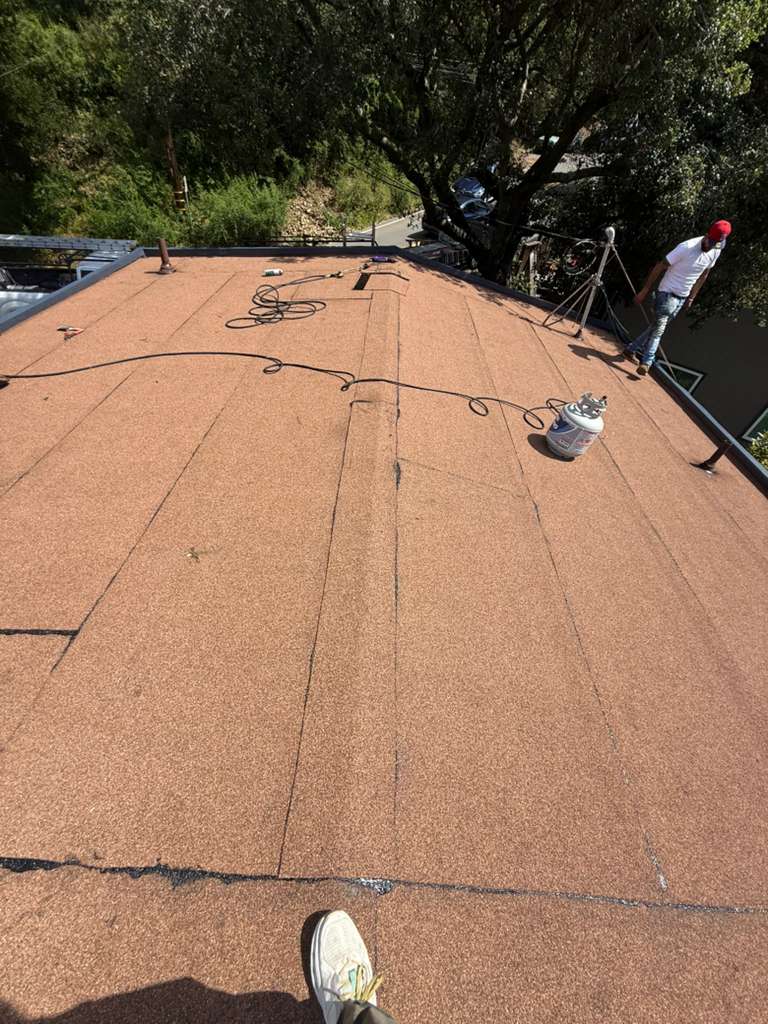
Flat and low-slope roofs need to be evaluated differently from
conventional pitched roofs. Water moves more slowly across these
surfaces, so membrane seams, drainage points, parapet transitions,
penetrations and low areas can become especially important when
diagnosing a leak.
During a flat roof repair in San Francisco, the point where
water appears inside the building may not be directly below the roof
defect. Moisture can travel beneath roofing materials before reaching
an interior ceiling or wall. That is why simply sealing the area above
a visible stain may not solve the actual problem.
A more complete inspection should consider the membrane condition,
seams, flashing, roof edges, drains, scuppers and penetrations around
HVAC equipment, vents, pipes, skylights or other rooftop components.
What Affects Roofing Cost in San Francisco, CA?
Roof size is only one part of a roofing estimate. Two San Francisco
buildings with similar square footage can require very different
amounts of labor and preparation. Existing roof layers, deck
condition, roof slope, drainage work, penetrations, parapet details
and the selected roofing system can all affect the final scope.
Access is another important factor. A building with straightforward
driveway or yard access can be easier to stage than a property with a
narrow lot, neighboring structures close to the building or limited
space for material delivery and debris removal. Rooftop HVAC equipment,
solar components and other obstacles can also add planning and detail
work.
When comparing roofing estimates, look beyond the final number.
Determine what the proposed scope includes, which areas are being
repaired or replaced, how drainage and flashing will be addressed,
and what happens if concealed deterioration is discovered after
existing roofing materials are removed.
The right San Francisco roofing decision starts with understanding
the existing roof—not automatically choosing repair or replacement.
Inspect the roof, identify the cause and then define the appropriate scope.
Roofing Older Victorian & Edwardian Properties
Older San Francisco properties can be especially complex because the
roof visible today may reflect decades of additions, repairs and
material changes. One section may have been replaced more recently
than another, while flashing or transitions between roof areas can
date from completely different projects.
Victorian, Edwardian and other older homes may also include rooflines,
visible edges and architectural details that need to be considered
when planning roofing work. The goal should be to understand how the
existing sections connect and where water can enter before deciding
how much of the roofing system needs attention.
San Francisco Reroof Permits & Project Requirements
Permit requirements should be checked before reroofing begins because
they depend on the scope of work. Under the current San Francisco
Building Code, reroofing without installing, repairing or removing
roof sheathing can be exempt from a building permit when the total
reroofed area during a 12-month period does not exceed 25% of the
entire roof surface.
Larger reroofing projects, work involving roof sheathing or other
changes can fall outside that exemption. When a permit is required,
the project may also involve City inspection and closeout requirements.
This is one reason the scope should be defined before materials are
ordered or roofing work begins.
Older or architecturally sensitive buildings may require additional
project review depending on the property and proposed work. The correct
permitting approach should therefore be based on the specific building
rather than assuming every San Francisco roofing project follows the
same process.
How Tight Access Changes a San Francisco Roofing Project
Roofing is not only about what happens on top of the building.
Materials have to reach the roof, removed roofing has to leave the
property and crews need a safe way to work around the structure.
Closely spaced buildings and narrow lots can make those logistics an
important part of project planning.
On occupied multi-family or commercial buildings, planning may also
need to consider tenants, customers, building entrances and normal
business operations. Thinking through staging, access and debris
removal before construction begins can reduce unnecessary disruption
once the roofing project is underway.
Roof Drains, Scuppers & Parapet Walls Matter
Drainage is one of the most important parts of a flat or low-slope
roofing system. Roof drains and scuppers need to move water away from
the surface, while flashing must protect transitions where the roof
meets parapet walls and other vertical surfaces.
Blocked drainage, deteriorated flashing or low areas that retain water
can place additional stress on seams and roofing membranes. When a
property has recurring flat-roof leaks, examining these details can be
more useful than repeatedly patching the interior location where water
happens to appear.
When Should You Schedule a Roof Inspection?
You do not have to wait for water to enter the building before
scheduling a roof inspection in San Francisco. Recurring leaks,
visible membrane damage, ponding water, deteriorated flashing,
damaged roof edges or concerns about older repairs are all reasonable
times to have the roof evaluated.
An inspection can also be useful when you know a roof is aging but are
unsure whether immediate replacement is necessary. Understanding the
condition of the roofing system, drainage and vulnerable details gives
you better information for planning maintenance, repair or eventual
replacement instead of waiting for an emergency.
Whether the property is residential, multi-family or commercial, the
objective is the same: identify the actual condition first, then
choose the roofing solution that fits the building.