
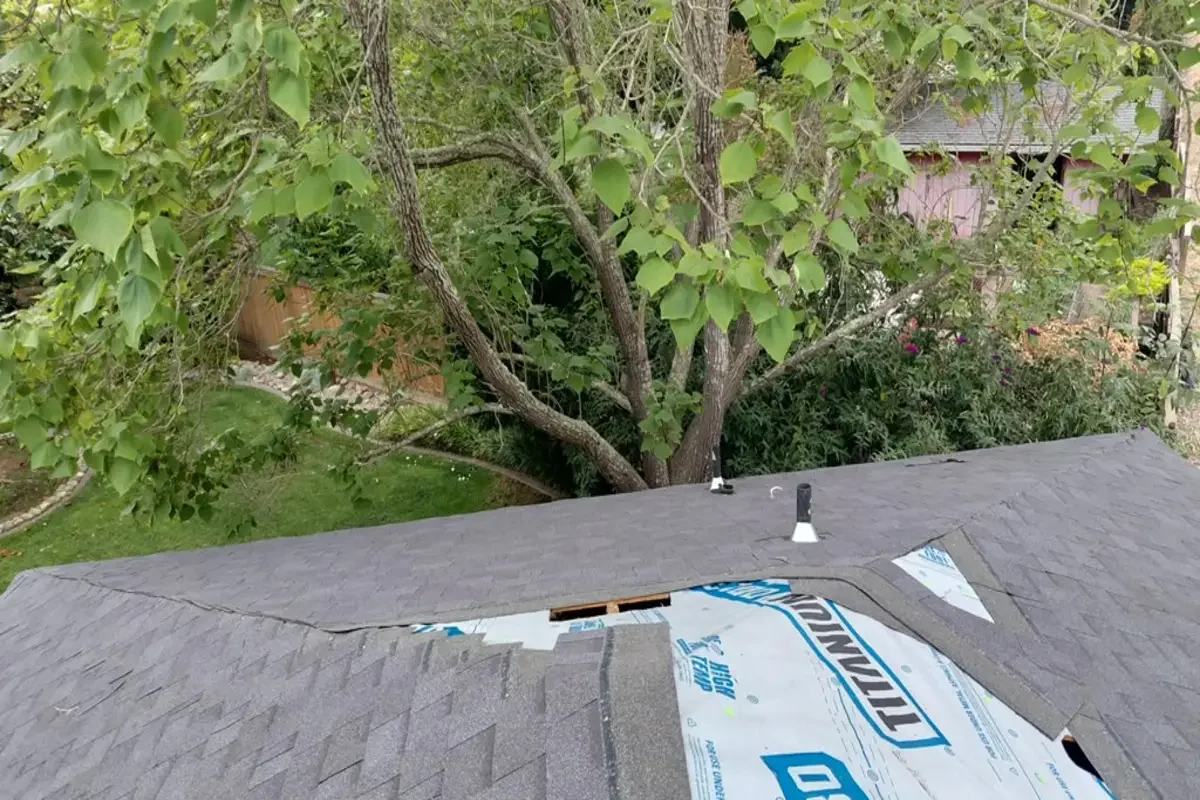
Usually yes, if the damage came from a sudden event like a windstorm or a fallen tree limb. Usually no, if it came from age, wear, or neglect. Does homeowners insurance cover roof damage in California? It depends on what caused the damage, what your policy says, and how you document the claim. This guide explains what insurers typically cover and deny, how repair and replacement payouts work, and the steps to take after a storm, from Walnut Creek to San Jose and Orange County.
What Roof Damage Does Homeowners Insurance Cover in California?
Standard homeowners policies cover damage from sudden, accidental events. They generally don’t cover slow deterioration. In the Bay Area, the most common covered claims come from strong winter winds, storms, and falling trees. Offshore Diablo winds, for example, can snap large oak limbs onto roofs.
|
|
|
|||
| Wind damage (missing or lifted shingles or tiles) | Usually yes | Sudden event; note the date of the storm | |||
| Fallen tree or branch | Usually yes | Tree removal limits may apply | |||
| Hail or lightning | Usually yes | Rare in the Bay Area | |||
| Fire and smoke | Usually yes | Covered as a separate named peril in most policies | |||
| Interior water damage after a storm opens the roof | Often yes | Typically when a covered event first damaged the roof | |||
| Wear, age, and deterioration | Usually no | Treated as maintenance, not a covered loss | |||
| Slow leaks and neglected repairs | Usually no | Insurers can deny damage that was gradual or preventable | |||
| Poor installation or defective materials | Usually no | Contractor or manufacturer warranties may apply | |||
| Earthquake | No (standard policy) | Requires a separate earthquake policy |
Wondering whether your roof is at the end of its life? See our checklist of signs your roof needs repair.
Why Insurers Deny Roof Damage Claims
Most denials come down to cause. If an adjuster decides the damage built up over years, such as worn shingles, cracked flashing, or an unrepaired leak, they usually treat the claim as maintenance. Two things help you avoid that:
- Keep maintenance records. Inspection reports and repair invoices show you cared for the roof.
- Fix small leaks early. A leak you ignored for months can turn a covered event into a denied one.
See our guide to roof leak repair costs in the Bay Area for what small repairs cost.
Repair vs. Replacement: What Insurance Usually Pays
Small repairs are the easy case. If wind lifts a few shingles or tiles, insurers often approve a repair. Full replacement requires stronger evidence that the roof can’t be repaired, such as widespread damage or materials you can’t match.
Three policy terms drive what you actually receive:
- Deductible. You pay this first. A small repair can cost less than your deductible, so get a written estimate before you file.
- Actual cash value (ACV). Pays the roof’s value minus depreciation. Some policies pay ACV on older roofs so that a 20-year-old roof may get a much smaller payout.
- Replacement cost value (RCV). Pays to replace the roof with similar materials, often after you complete the work.
Check your policy declarations page for which applies. To see what a full reroof costs, read our Bay Area roof replacement cost guide.
Storm damage or an active leak? Equinox offers 24/7 emergency roof repair. Schedule a free inspection, and we’ll document the damage and tell you what it needs.
What to Do After Roof Damage: Steps for a California Claim
- Stay safe. Don’t climb onto a wet or damaged roof. Take photos from the ground and from inside the house.
- Prevent further damage. Many policies require you to take reasonable steps, such as temporary tarping, and may reimburse the cost. Keep receipts.
- Document everything. Take dated photos and video of the roof, ceiling stains, and any damaged belongings. Write down the date and time of the storm.
- Report the loss promptly. Call your insurer or agent and ask for the claim number and adjuster contact. Take notes on every call.
- Have a licensed roofer inspect the roof and provide a written estimate. This gives you a clear cause of damage and a repair scope to compare with the adjuster’s.
- Meet the adjuster. Share your photos, records, and the roofer’s written report. Ask for the insurer’s decision in writing.
- If the insurer denies or underpays the claim, ask for a written explanation and review your policy’s appeal options. You can also contact the California Department of Insurance, or speak to an attorney or licensed public adjuster.
For a deeper look at what an inspection covers, see our professional roof inspection process.
What a Roofer Can and Can’t Do in Your Insurance Claim
Equinox is a roofing contractor, not an insurance adjuster or attorney. In a claim, a licensed roofer can:
- Inspect the roof, including drone imagery where needed, and photograph the damage.
- Identify the likely cause and write up what needs repair.
- Provide a written repair or replacement estimate.
- Complete the approved work and provide warranties.
Negotiating the claim itself is your job, or the job of a licensed public adjuster or attorney. Be cautious of any contractor who offers to “handle your claim,” promises the insurer will pay for a full replacement, or offers to cover your deductible.
Will a Roof Claim Affect Your Premium or Renewal?
It can. A claim may be recorded on your claims history, and insurers can weigh it at renewal. California limits non-renewals for a year after a declared disaster in affected areas. Still, that protection is narrow and doesn’t stop an insurer from raising rates or non-renewing for other reasons. For a small repair, ask your agent whether it’s worth filing before you do.
FAQs
- How long do I have to file a roof damage claim in California?
Report the damage as soon as you find it, since most policies require prompt notice. Policies also commonly limit lawsuits against the insurer to one year from the date of the loss. Check your policy for its exact terms. - Will my insurance rates go up if I file a roof claim?
Possibly. A claim can affect your premium or renewal, and California’s post-disaster protections are limited. Ask your agent before filing a small claim. - Does insurance cover a 20-year-old roof in California?
It can, if a sudden covered event damaged it. But insurers may reduce the payout for age and depreciation, and some pay actual cash value on older roofs. Insurers also deny damage they attribute to wear. - Does homeowners insurance cover a roof leak?
It depends on the cause. Storm-related leaks are often covered. A leak from worn or neglected roofing usually isn’t. Fix leaks quickly and keep records. - Does insurance pay for emergency roof tarping?
Many policies cover reasonable emergency repairs needed to prevent further damage, but check yours. Keep the invoice and photos of the damage before and after. - What if my roof claim is denied?
Ask for the denial in writing, review your policy, and ask your insurer about appeal options. You can also file a complaint with the California Department of Insurance or consult an attorney or licensed public adjuster.
Get a Free Roof Inspection After Storm Damage
Equinox Roofing Solutions has completed 1,000+ roofs and holds a 4.9★ rating on Google and Yelp. We offer 24/7 emergency service, drone-assisted inspections, and a 10-year artistry warranty. Schedule your free inspection and get a written report you can share with your insurer.