Commercial roof replacement cost varies because materials, building design, and labor requirements change from one structure to another. Many owners begin by reviewing common price ranges to understand how budgets develop.
This guide explains how the cost of commercial roof replacement forms and how different factors influence overall project investment.
Understanding the Role of Building Size
Building size influences how much material is needed and how many hours crews spend completing each phase of installation.
Many commercial projects fall between $6 and $14 per square foot for common membrane systems, creating significant differences once a roof covers thousands of square feet. Larger structures usually require additional equipment that increases the total project cost.
Smaller buildings may fall near the lower end of average ranges because preparation requires fewer staging steps. Mid-sized buildings often create varied pricing because layouts affect how efficiently crews move around the structure.
Buildings that stretch across wide footprints may also need multiple crews on-site to maintain progress, slightly raising labor totals.
How Roof Design Affects Project Pricing
Roof design shapes installation strategies because crews must follow patterns dictated by slopes, drains, and architectural details.
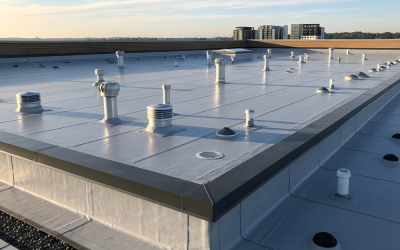
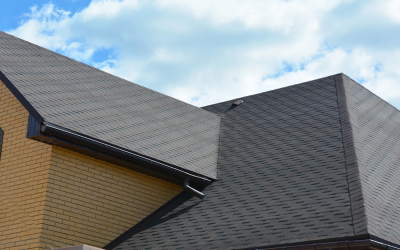
Flat roofs typically cost between $8 and $14 per square foot due to membrane installation and drainage adjustments. Pitched commercial roofs can range from $10 to $20 per square foot, depending on complexity and material choice.
Roofs with multi-level sections require more planning and careful transitions between surfaces. Irregular shapes often increase labor hours because each section demands a tailored approach.
Understanding how design influences workflow helps owners see why similar buildings sometimes fall into different pricing brackets during commercial roof replacement.
Material Choices and Their Influence on Cost
Material selection has a direct impact on project totals because each system carries a unique price range. Thermoplastic Polyolefin (TPO) usually runs between $7.50 and $13.50 per square foot, while PVC ranges from $9 to $15 per square foot due to added chemical resistance. (Ethylene Propylene Diene Monomer) EPDM often costs $8 to $14 per square foot, depending on thickness and installation type.
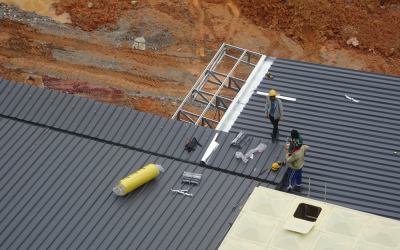
Metal roofing sits on the higher end, typically ranging from $12 to $20 per square foot because panels require specialized fabrication and fastening. Built-up roofing may reach $12.50 to $22.25 per square foot because multiple layers add material and labor time. Owners often weigh material longevity against upfront cost to determine which option best fits long-term plans.
Impact of Roof Access and Height
Limited access raises costs because crews must move materials through controlled paths that slow down workflow. When buildings require cranes or lifts to reach high surfaces, daily equipment use adds several hundred dollars to overall project totals. These adjustments often push costs toward the upper end of typical ranges.
Properties with wide, open staging areas allow faster setup and movement, which can reduce labor hours. Buildings located in tight urban zones sometimes require street permits or time-restricted loading, adding logistical expenses. Factoring access conditions into planning helps owners understand why two similar roofs may end with different totals.
How Existing Roof Conditions Influence Pricing
Existing roof condition often shifts project expectations once the team identifies issues during inspection. Moisture trapped beneath membranes may require full tear-off, increasing costs by $2 to $5 per square foot for removal and disposal. Damaged decking can add another $1.50 to $4 per square foot, depending on repair depth.
A roof with minimal damage may qualify for partial tear-off or recovery, reducing labor hours and keeping costs closer to baseline material pricing. When widespread deterioration appears, teams must reinforce sections before installing new layers. These conditions highlight how initial inspection plays a major role in shaping realistic budgets.
Local Climate’s Effect on Roofing Choices
California’s climate influences material selection because commercial buildings experience strong sunlight and regional moisture shifts. Many owners select reflective TPO or Polyvinyl Chloride (PVC) to manage heat, often landing in the $8 to $14 per square foot range. Buildings near coastal zones may require corrosion-resistant materials or coatings that add moderate adjustments to total installation cost.
Areas with seasonal rainfall encourage systems designed to resist ponding and moisture intrusion. These materials may increase membrane thickness or add insulation that slightly raises pricing. Thinking about climate-related needs supports long-term durability and helps owners select systems that match local environmental demands.
Labor Experience and Project Complexity
Labor cost often makes up a significant portion of replacement pricing because complex roofs require experienced crews. Rates typically range from $50 to $90 per hour, depending on state and project requirements. Complicated structures with multiple penetrations often increase total hours, raising overall cost.
Skilled labor improves installation quality and reduces the likelihood of future issues. Experienced teams also complete tasks more efficiently because they understand how roof characteristics interact with different materials. Matching crew skill to project difficulty helps maintain consistent progress throughout installation.
How Permits and Regulations Influence Pricing
Commercial roofing in California follows strict guidelines based on structural rules, fire classifications, and energy requirements. Permit fees vary by city but typically range between $500 and $2,000 depending on roof size and project scope. These fees represent a predictable portion of the overall cost.
Some buildings require mid-project inspections that add scheduling time for both contractors and local officials. Additional requirements may appear when buildings sit in wildfire zones or fall under specific Title 24 conditions. These elements shape planning and influence pricing because they affect installation choices and material selection.
Influence of Insulation and Energy Standards
Insulation upgrades often push costs upward because added layers require more material and labor. Commercial insulation typically ranges from $2 to $6 per square foot, depending on thickness and R-value. Many owners choose to upgrade during replacement to improve overall efficiency throughout the building.
California’s energy guidelines promote higher insulation levels in many commercial structures. These upgrades reduce long-term heating and cooling demands while contributing to improved indoor stability. When insulation becomes part of the project plan, owners should expect total cost per square foot to move toward the higher end of average ranges.
Project Timeline and Scheduling Factors
Seasonal scheduling influences labor efficiency and total project cost. Projects completed during peak roofing season may include slightly higher labor rates because demand increases across the industry. Timelines also shift when buildings require work after business hours, adding premium labor charges that raise overall totals.
Quicker timelines sometimes require larger crews, which affects daily labor cost but reduces total project duration. Longer timelines may spread costs across more days because weather patterns occasionally slow progress. Planning around these variables helps owners understand how scheduling affects final pricing.
How Tear-Off Requirements Impact Pricing
Full tear-off adds weight disposal fees that typically range from $40 to $90 per ton, depending on landfill rates. Removing old membrane adds about $1.50 to $5 per square foot to the total project cost. Buildings with multiple layers may require more labor, pushing tear-off totals higher.
Recovery systems avoid tear-off in some cases, reducing costs significantly. This option depends on the deck condition and the number of existing layers on the roof. When recovery is allowed, overall pricing often drops toward the lower end of typical installation ranges.
Long-Term Value Considerations for Building Owners
Owners often review long-term costs before selecting a material. Systems with higher upfront pricing, such as metal roofing, appeal to those seeking lower maintenance frequency and extended lifespan, sometimes reaching 40 years or more. Lower-cost systems work well for buildings that may undergo updates or changes in future decades.
Long-term planning also considers annual maintenance expenses, which often range from $0.10 to $0.30 per square foot. Strong maintenance programs reduce future repair spending and support reliable performance. Understanding these factors helps owners align replacement choices with future stability and projected building use.
Technology’s Role in Accurate Pricing
Modern inspection tools, such as infrared scanners, help identify moisture beneath the membrane, which influences tear-off expectations. These insights improve accuracy when estimating total cost. Projects with early detection of hidden issues often avoid large disruptions later.
Physical inspections complement digital findings by confirming deck strength and membrane condition. Combining methods supports reliable project planning and clearer cost projections. This approach allows owners to understand realistic pricing from the beginning of the consultation process.
Preparing for a Successful Commercial Roofing Project
Owners who outline goals early often move through the process more effectively. Selecting materials, reviewing budgets, and choosing preferred scheduling windows support organized planning. These steps help stabilize pricing by reducing unexpected adjustments during the project.
Clear communication with contractors supports steady progress and helps maintain predictable daily activity across the jobsite. These exchanges help clarify expectations and keep installation on track. Smoother planning helps align the final commercial roof replacement with long-term building requirements.
Moving Forward with Confidence
At Equinox Roofing Solutions, our team guides owners through every stage of commercial roof replacement with advanced inspections, clear planning, and detailed communication. We help evaluate materials, review cost ranges, and align replacement strategies with long-term goals across many building types.
Reach out to us to discuss your upcoming project and receive a detailed quote, helping you accurately plan your budget.