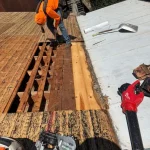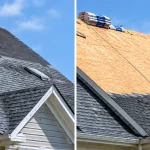
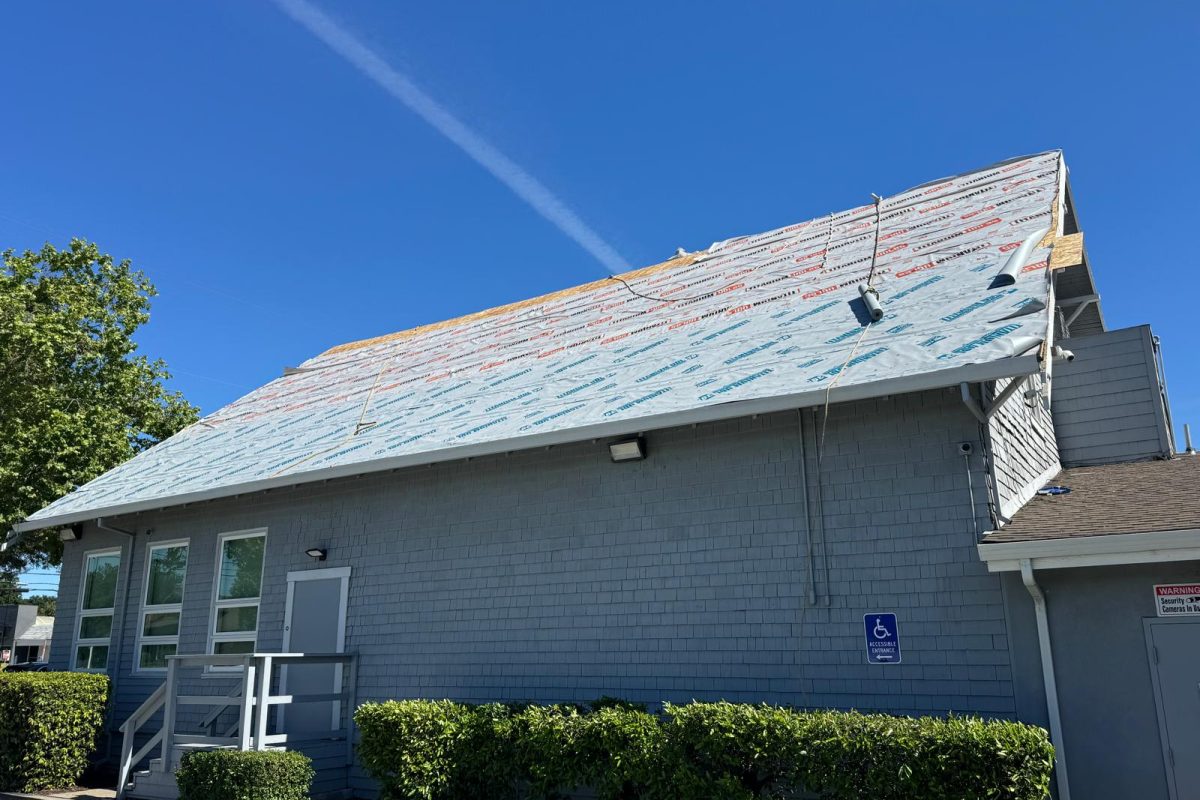
Commercial roofing in San Francisco requires careful planning, the right roofing materials, and an understanding of local building conditions. Flat and low-slope roofs must withstand coastal winds, persistent fog, drainage challenges, and the demands of occupied commercial properties. From offices and retail spaces to multifamily buildings and industrial facilities, every property has different roofing requirements.
Equinox Roofing provides commercial roof replacement, repairs, coatings, and re-roofing services throughout San Francisco and the wider Bay Area. Every project begins with a detailed, drone-assisted roof inspection and a written estimate. This helps property owners understand the roof’s condition, identify potential problems, and make informed decisions before work begins.
Commercial Roofing Services in San Francisco
Commercial properties need roofing solutions that protect the building, support daily operations, and provide long-term value. Depending on the roof’s condition, building use, and budget, several services may be suitable.
| Service | What It Includes | Best For |
|---|---|---|
| Commercial roof replacement and re-roofing | Tear-off, insulation, membrane installation, flashing, and drainage improvements | Aging roofs or systems with extensive moisture damage |
| Commercial flat roof repair | Leak detection, seam repairs, flashing, drainage corrections, and emergency tarping | Active leaks, storm damage, and localized roof failures |
| Commercial roof coatings and restoration | Surface preparation, repairs, and fluid-applied protective coatings | Structurally sound roofs with dry insulation |
| Flat roof overlay | Installing a new roofing membrane over an existing system where permitted | Suitable roofs that do not require complete tear-off |
| Torch-down and modified bitumen roofing | Multi-layer bitumen systems designed for durability and rooftop activity | Commercial buildings with regular rooftop access |
| Roof inspections and maintenance | Drone-assisted inspections, moisture assessments, and written recommendations | Property owners planning maintenance or replacement |
Commercial Roofing Systems for Flat and Low-Slope Roofs
Flat and low-slope roofing systems are common across San Francisco’s commercial buildings. Selecting the right material depends on several factors, including rooftop equipment, foot traffic, drainage, exposure, and the condition of the existing roof.
Property owners comparing different systems should consider the performance differences between TPO, modified bitumen, and commercial roof coatings before selecting a replacement or restoration option.
| Roofing System | Benefits | Important Considerations |
|---|---|---|
| TPO | Reflective surface, heat-welded seams, and suitability for many cool-roof applications | Proper seam installation and parapet flashing |
| PVC | Resistance to grease, oils, and certain chemicals | Particularly useful for restaurants and food-service facilities |
| Modified bitumen | Durable multi-layer construction that handles regular rooftop activity | Installation methods, fire safety, seams, and overlaps |
| Fluid-applied coatings | Can extend the service life of an existing roof | Requires a suitable substrate and dry insulation |
The condition of the existing roofing system should always be assessed before choosing a replacement or coating. Applying a new surface over wet insulation or a damaged roof deck can lead to recurring problems.
What Makes Commercial Roofing in San Francisco Different?
Commercial roofing projects in San Francisco involve several local considerations that can influence material selection, installation methods, and project costs.
- Flat roof drainage: Standing water can gradually damage roofing membranes and increase the risk of leaks. During replacement, contractors may recommend tapered insulation or additional drainage. Property owners dealing with flat roof leaks in San Francisco should have the drainage system and membrane inspected together.
- Parapets and roof penetrations: Parapet walls, vents, pipes, and rooftop openings require properly installed flashing. These areas are particularly important because poor detailing can allow water to enter the building.
- Rooftop equipment: HVAC systems, exhaust units, and rooftop decks require careful coordination during installation. Contractors must protect the membrane while maintaining access to essential equipment.
- Coastal weather exposure: Fog, wind, and salt air can affect exposed metal components, flashing, and fasteners. Choosing appropriate materials helps improve long-term roof performance.
- Limited site access: Narrow streets, loading zones, pedestrian traffic, and nearby buildings can complicate material delivery and equipment placement. Crane access, hoisting, and traffic management should be planned before construction.
- Occupied commercial buildings: Roofing work often takes place while tenants, employees, and customers continue using the property. Phased installation and advance communication help minimize disruption.
Commercial Roofing Permits and Title 24 Requirements in San Francisco
Before starting a commercial roofing project, property owners should understand the local permit requirements and applicable California building standards.
San Francisco’s Department of Building Inspection (DBI) handles reroofing permits for residential and commercial properties. Online reroofing permit applications start at $714 for buildings other than single-family homes and duplexes, compared with $514 for single-family homes and duplexes. Additional fees may apply depending on the project.
Online applications require a licensed C-39 roofing contractor and are generally limited to projects that do not require plans or structural component replacement, such as roof decking. Larger projects involving structural work may require additional plan review or an over-the-counter permit process.
Some reroofing projects may qualify for exemptions under Building Code Section 106A.2. Requirements can also vary depending on the proposed installation method. For example, torch-down roofing involves hot work considerations that should be addressed before installation.
Property owners planning a major roof upgrade should also consider California’s energy-efficiency requirements. San Francisco falls within California Climate Zone 3, and the 2025 Energy Code became effective on January 1, 2026.
For alterations to existing nonresidential buildings, cool-roof requirements generally apply when more than 50% of the roof area or more than 2,000 square feet, whichever is less, is replaced. The specific requirements and product ratings should be confirmed during project planning.
Working with an experienced roofing contractor helps ensure that the proposed system, permit application, and installation scope are properly coordinated.
Commercial Roofing Solutions for Different Building Types
Every commercial property has different structural requirements and operational demands. A roofing system suitable for an office building may not be the best option for a restaurant or industrial facility.
| Building Type | Common Roofing Challenges | Project Considerations |
|---|---|---|
| Offices and retail spaces | HVAC equipment, tenant activity, and drainage issues | Phased installation, equipment coordination, and tenant communication |
| Restaurants and food-service facilities | Grease exposure, exhaust systems, and multiple roof penetrations | Suitable membrane selection and detailed flashing |
| Mixed-use and multifamily properties | Roof decks, parapets, occupied units, and drainage | Noise management, waterproofing, and protection for occupied spaces |
| Warehouses and industrial buildings | Large roof areas, skylights, and hidden moisture | Moisture assessments, deck repairs, and material access |
For industrial roofing projects in San Francisco, roof size and hidden moisture damage can significantly affect the overall scope. A moisture survey helps identify wet insulation and potential deck deterioration before replacement begins.
Establishing unit prices for insulation and decking repairs in advance also helps property owners manage unexpected costs during construction.
Keeping Commercial Buildings Operational During Roofing Work
Replacing a commercial roof does not necessarily mean closing the entire building. With proper scheduling and coordination, many projects can be completed while daily operations continue.
Contractors can divide the roof into manageable sections, keeping unfinished areas protected against weather exposure. Air intakes may need temporary covering or relocation when installation creates dust or fumes. Work zones should also be secured to protect employees, tenants, and visitors.
Material storage, dumpsters, parking access, and delivery schedules should be discussed before construction begins. For larger commercial properties, having a written installation and safety plan helps everyone understand the project schedule and any temporary access restrictions.
How to Choose the Right Commercial Roofing Contractor in San Francisco
Selecting a commercial roofing contractor involves more than comparing estimates. Property owners should evaluate experience, licensing, project planning, materials, and warranty coverage.
- Verify licensing and insurance: Confirm that the contractor holds an active California C-39 roofing license through the Contractors State License Board (CSLB). Request proof of insurance before work begins.
- Confirm permit responsibilities: Ask whether the contractor will handle the DBI application, required documentation, and inspections. Clarify who is responsible for obtaining approvals.
- Request a detailed roofing assessment: A professional roof inspection should identify membrane damage, drainage problems, insulation moisture, and potential structural concerns. The written proposal should include the roof area, materials, installation scope, and unit pricing for additional repairs.
- Discuss project coordination: Make sure the contractor has a clear plan for rooftop equipment, material delivery, tenant communication, and building access.
- Compare warranty coverage: Review both workmanship and manufacturer warranties. Equinox Roofing provides a 10-year workmanship warranty, giving property owners additional confidence in their investment.
- Review relevant project experience: Ask about previous commercial roofing projects involving similar building types, roof systems, and installation requirements.
Commercial Roofing Costs in San Francisco
Commercial roof replacement costs in the Bay Area typically range from approximately $7 to $16 per square foot in 2026. However, the final price depends on the existing roof condition, selected roofing material, insulation requirements, and installation complexity.
San Francisco properties may have additional costs associated with limited access, rooftop equipment, parapet details, and material transportation. Extensive moisture damage or structural repairs can also increase the overall project budget.
Understanding these factors before construction begins makes it easier to compare estimates and plan financially. Property owners evaluating a replacement project can review the expected commercial roof replacement costs across the Bay Area when preparing their budget.
Frequently Asked Questions
1. How do I choose a commercial roofing contractor in San Francisco?
Look for a properly licensed and insured contractor with experience in commercial roofing systems. Request a detailed written estimate covering roof measurements, materials, installation methods, drainage, and potential deck repairs. Also confirm who will handle permits and inspections.
2. Do I need a permit for commercial roofing in San Francisco?
Most commercial re-roofing projects require approval from San Francisco’s Department of Building Inspection. However, certain limited exemptions may apply under Building Code Section 106A.2. Confirm the requirements for your specific project before construction begins.
3. How much does commercial roofing cost in San Francisco?
Commercial roof replacement in the Bay Area typically costs around $7 to $16 per square foot in 2026. The final price depends on roofing materials, roof size, insulation, drainage, accessibility, and the condition of the existing structure.
4. Which commercial roofing system is best for a flat roof in San Francisco?
The right system depends on the building’s use and existing roof condition. TPO and PVC are popular single-ply options, modified bitumen offers durable multi-layer protection, and fluid-applied coatings can extend the life of suitable existing roofs. A professional assessment helps determine the most appropriate solution.
5. Can my business remain open during commercial roof replacement?
In many cases, yes. Contractors can complete the work in sections, secure construction areas, coordinate equipment access, and schedule activities to reduce disruption. The project plan should account for employees, tenants, customers, and building operations.
6. Do you provide industrial roofing and commercial re-roofing in San Francisco?
Yes. Equinox Roofing provides commercial roofing solutions for warehouses, industrial facilities, offices, retail properties, and other commercial buildings throughout the Bay Area. Projects begin with an assessment of the existing roof to determine the appropriate scope of work.
7. Do you offer emergency commercial flat roof repair in San Francisco?
Yes. Equinox Roofing offers 24/7 emergency roofing services for urgent situations involving active leaks and storm damage. Emergency tarping can help protect the building until permanent repairs are completed.
Schedule a Commercial Roof Inspection in San Francisco
A reliable commercial roofing system protects your property, supports daily operations, and helps prevent costly water damage. Whether your building needs a complete roof replacement, localized repairs, or an assessment of an aging membrane, choosing the right solution starts with a thorough inspection.
Equinox Roofing Solutions has completed more than 1,000 roofs and maintains a 4.9-star rating on Google and Yelp. Our team backs its workmanship with a 10-year warranty and offers 24/7 emergency roofing services.
From commercial roof installations and restoration to ongoing maintenance and repairs, we help property owners throughout the Bay Area protect their investments.
Explore our commercial roofing services to learn more about the solutions available for your property, or contact Equinox Roofing to schedule a free commercial roof inspection and receive a no-obligation estimate for your San Francisco building.