Many building owners struggle to choose. In fact, comparing TPO vs Modified Bitumen vs Roof Coatings is very common. Each option offers specific benefits for local buildings.
Understanding your roofing membrane options is vital. You can review our detailed guides to start learning. Then, you can make a smart, informed choice for your property.
Navigating Flat Roofing Options for Walnut Creek Buildings
The Bay Area features a unique microclimate. Daytime temperatures fluctuate wildly during the long summer months. This rapid thermal expansion causes cheaper roofing materials to crack prematurely across the county.
Walnut Creek flat roofing projects must withstand these extremes. Also, you must comply with strict California energy codes today. Therefore, picking the best system requires careful planning.
Your ultimate choice impacts your daily indoor comfort greatly. A failing roof disrupts your business and damages interior assets. Fortunately, modern technology provides excellent solutions.
TPO Roofing: The Modern Energy-Efficient Choice
Thermoplastic Polyolefin remains incredibly popular today. Manufacturers design this single-ply membrane to reflect harsh solar radiation effectively. Because of this, it functions as an exceptional cool roof.
TPO lowers your cooling costs significantly. Summer temperatures in nearby Concord easily exceed 90 degrees frequently. Consequently, energy-efficient roofing CA standards often recommend this bright white material for commercial spaces.
This membrane resists dirt and common chemical spills. As a result, local restaurant owners strongly prefer TPO for their busy kitchens. It handles exhaust grease much better than older rubber systems.
How Professionals Install TPO Systems
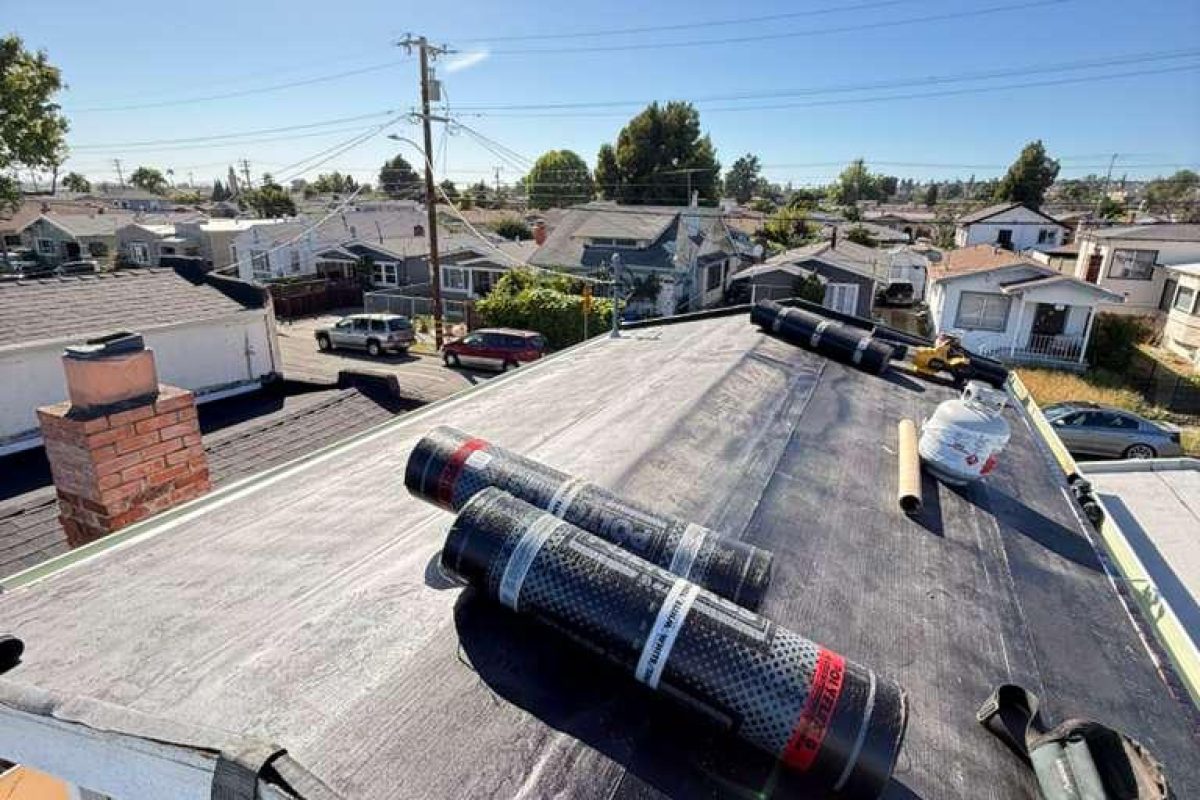
Installers roll out wide TPO sheets carefully. Then, they use hot-air welders to fuse the overlapping seams completely. This creates a solid bond against heavy winter rain.
This welding process eliminates messy adhesives. In fact, a welded TPO seam is stronger than the membrane itself. Therefore, you rarely see seam failures during high wind events.
Local warehouses rely on TPO to stop leaks. The lightweight nature of this material speeds up the installation process immensely. Ultimately, this lowers your total labor costs.
Modified Bitumen: Time-Tested Durability
Modified Bitumen provides a deeply trusted choice. Installers melt premium asphalt and tough synthetic rubber together perfectly. This creates thick, flexible sheets that handle severe physical abuse remarkably well.
Many property owners need reliable residential roof replacement services eventually. Mod-bit roofs usually feature a highly durable top layer of gravel. This protective surface easily stops dropped HVAC tools from puncturing the thick membrane below.
You can expect outstanding flat roof durability for decades. In fact, historic homes in Pleasant Hill still use this system. It offers incredible tear resistance during intense coastal windstorms.
Ideal Use Cases for Mod-Bit
This layered system works best for heavy foot traffic. For example, if you service rooftop air conditioners frequently, choose this sturdy material. The thick asphalt layers will not tear under heavy boots.
Modified Bitumen also performs wonderfully in shaded environments. Because it comes in multiple rolls, installers navigate tight corners easily. Therefore, it fits complex roof layouts with many skylights flawlessly.
We provide expert roofing services for tough Contra Costa County projects. Our skilled team ensures every single lap joint is sealed tightly. Consequently, your property stays completely dry.
Roof Coatings: Extending the Life of Your Current Roof
Sometimes, you do not need a full teardown. Instead, liquid coatings can effectively restore your slightly aging roof surface. Contractors spray liquid silicone directly over your existing flat deck.
This application seals minor cracks and stubborn pinhole leaks. As a result, you save thousands on expensive tear-off labor costs. However, coatings only work well when your deck is dry.
Many local business owners love silicone. It creates a seamless barrier against stubborn, heavy ponding water. Consequently, you gain ten more years of protection.
Silicone vs Acrylic Coating Options
Acrylic coatings offer a budget-friendly restoration option. They reflect UV rays well but struggle with deep standing water. Therefore, we reserve acrylic for roofs possessing steep natural drainage.
Silicone coatings cost slightly more but provide superior waterproofing performance. In fact, silicone will not degrade under persistent ponding water at all. This makes it ideal for older buildings with structural sagging.
You can visit our LinkedIn page to see real project updates. We regularly post photos of transformed roofs. These visual examples highlight the true value of professional roof restoration.
Material Comparison for Flat Roofs
You must carefully weigh the pros of each unique material. We created a helpful table for you. As a result, you can compare lifespan, cost, and maintenance needs easily.
| Feature | TPO Roofing | Modified Bitumen | Roof Coatings |
|---|---|---|---|
| Lifespan | 20–30 years | 15–20 years | 10–15 years |
| Cost Level | Moderate | Moderate to High | Very Low |
| Durability | High (chemical resistant) | Very High (tear resistant) | Moderate (needs recoating) |
| Energy Efficiency | Excellent (reflective) | Low (unless painted) | Excellent (white silicone) |
This simple chart highlights the primary differences between your choices. However, your specific building structure might dictate which material works best. Always consult a licensed roofer first.
Choosing the Best Flat Roof for Walnut Creek’s Climate
Bay Area weather patterns largely dictate your best choice. Our hot inland summers heavily favor bright, highly reflective roofing materials. Meanwhile, heavy coastal fog demands robust moisture protection all year.
Local flat roofing replacements must meet strict California building codes. Title 24 requires specific energy-efficiency ratings for all new commercial buildings. Because of this legal requirement, TPO is often the most compliant option available today.
Every local property needs a customized budget. You can research the average replacement cost to prepare your finances. After that, we will help you find an affordable solution.
Start with a Professional Evaluation
You must start your project with a professional roof evaluation. We recommend that you book a roof inspection without delay. Our experts will carefully check for dangerous soft spots in your decking.
We also measure the exact slope of your current commercial roof. If your roof holds water, we might suggest a thick silicone coating. Conversely, severe rot demands a full TPO replacement.
Our team always provides fully transparent pricing. We explain every single step of the tear-off and installation process. Consequently, you feel completely confident in your final investment decision.
Frequently Asked Questions
1. Which flat roof material actually lasts the longest?
TPO roofing generally lasts the longest among these three popular options. With proper seasonal maintenance, a welded TPO roof survives for up to thirty years easily. Modified Bitumen usually requires replacement after roughly twenty years.
2. Is TPO cheaper to install than Modified Bitumen?
Yes, TPO is usually much cheaper to install. It features large, lightweight rolls that cover vast commercial roofs quickly. This efficiency significantly reduces the total labor hours required for the job.
3. When should I choose a liquid roof coating instead of replacement?
You should choose a coating if your current roof insulation is dry. Coatings perfectly fix minor surface cracks on aging roofs. However, severe structural water damage always requires a complete roof replacement.
4. Can I install roof coatings myself?
We strongly advise against DIY commercial roof coatings. Proper application requires specialized spray equipment and thorough deck preparation. Ultimately, missing a single hidden crack will lead to massive water damage inside your building.
Ready to protect your Walnut Creek property from the harsh elements? Get a Free Roof Estimate from Equinox Roofing today.