
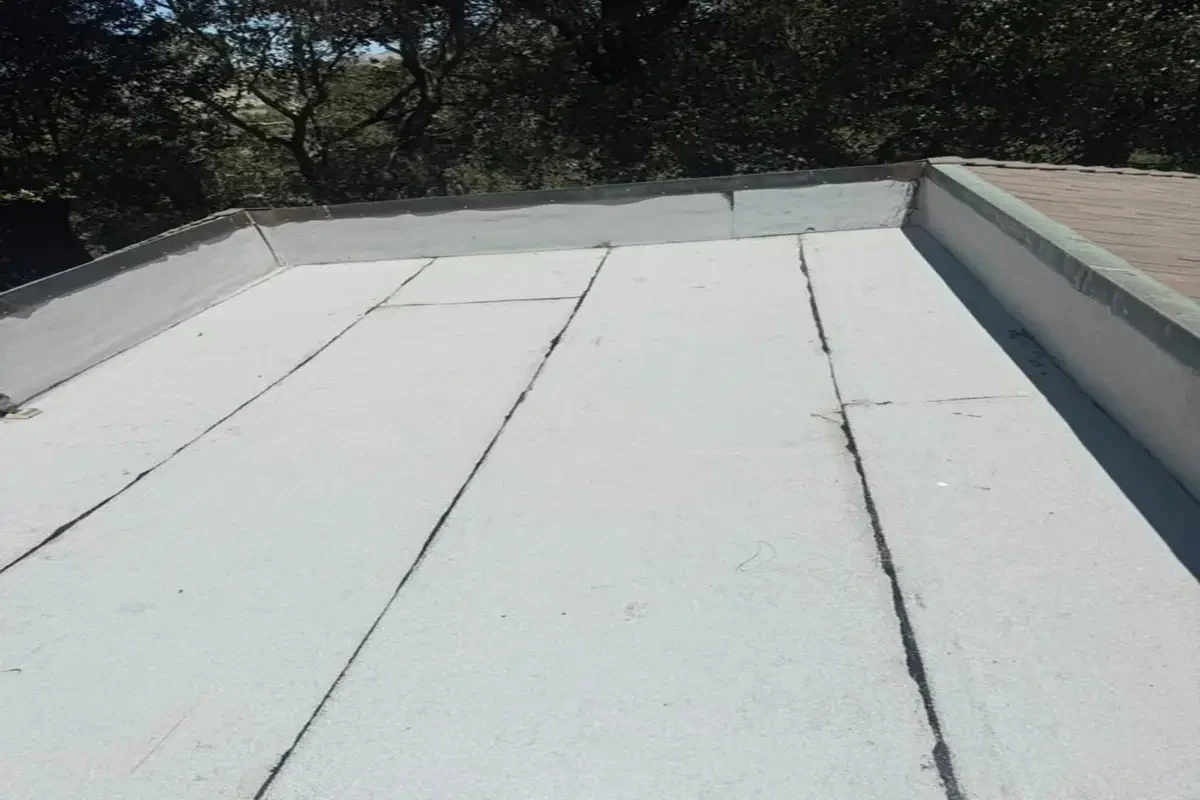
San Francisco has a unique coastal climate. As a result, thick morning fog heavily impacts local properties over time. Many homeowners need roofing services because flat roofs often leak in San Francisco. Marine moisture penetrates older building materials. In fact, heavy salt air speeds up natural exterior wear and tear. We see this issue constantly near the Sunset District.
A strong defense requires specialized knowledge. Therefore, you must understand your specific Bay Area roofing climate completely. This guide explains common failure points and expert local solutions.
The Unique Challenges: Why Flat Roofs Leak in San Francisco
Microclimates stress exterior materials in strange ways. For example, a home might experience freezing wind and hot sun daily. This rapid temperature shift causes thermal expansion.
Roof membranes expand during hot afternoons. Later, they shrink rapidly as cold night air rolls in. Consequently, constant daily cycles stretch the sealing joints until they crack.
Moisture creeps into these tiny cracks immediately. Next, trapped water destroys the wooden decking underneath the main surface. You eventually need a costly roof replacement cost evaluation to fix it.
Common Culprits of Flat Roof Failure in the Bay Area
Many distinct factors destroy local properties here. However, certain issues appear much more frequently than others across town. We routinely find three major problems during inspections.
Improper Drainage and Ponding Water
Water must flow off surfaces quickly. Unfortunately, clogged drains trap standing water on flat roofs for days. This pooling liquid slowly dissolves standard adhesive seals.
Industry rules define ponding water as moisture lingering past 48 hours. When this occurs, the membrane loses structural integrity. Consequently, property managers urgently need flat roof maintenance to restore proper drainage.
Age and UV Degradation in Walnut Creek Sun
Inland temperatures run much hotter than coastal neighborhoods. Specifically, intense summer heat beats down hard on structural building materials. Ultraviolet rays bake flexibility out of older systems.
Brittle surfaces shatter easily under very slight foot traffic. Thus, a simple maintenance walk can snap an aged asphalt seam. We recommend immediate professional roof inspection services when you see chalky spots.
Punctures and Membrane Tears
Fallen tree branches pierce delicate protective layers during winter storms. Additionally, careless HVAC technicians sometimes drop heavy metal tools on fragile surfaces. These strikes slice through the barrier.
A tiny hole allows gallons of rainwater inside. That said, swift San Francisco flat roof repair stops further structural damage. You must patch punctures before rainstorms hit.
How to Seal Flat Roofs for Long-Term Protection
Modern materials offer incredible resistance against harsh weather conditions. For instance, Thermoplastic Polyolefin creates an extremely tough, seamless exterior barrier. Contractors weld seams with hot air.
The welding process melts two plastic sheets into one piece. Actually, this physical bond becomes stronger than the original material itself. View our Facebook project updates to see completed examples.
PVC membranes provide another fantastic option for sealing flat roofs California. These flexible sheets resist harmful chemicals and grease. Therefore, they protect local commercial properties exceptionally well year after year.
Torch-Down Modified Bitumen Systems
Older buildings sometimes require traditional asphalt sealing methods instead. For example, torch-down systems use open flames to melt thick adhesive layers. This melted asphalt creates a durable waterproof mat.
This approach works wonderfully for small residential additions and local garages. However, it requires immense skill to install safely. A seasoned professional carefully manages the fire risk while securing your home.
Understanding Local Building Codes for San Francisco Properties
City regulations dictate specific requirements for exterior home upgrades. Specifically, California Title 24 mandates energy-efficient, reflective cool roof materials locally. You cannot legally install dark surfaces.
A reflective white surface pushes harsh solar radiation safely away. As a result, your indoor cooling costs drop significantly every single summer. This smart upgrade keeps your space comfortable.
Permitting offices strictly enforce local construction standards across the city. Therefore, your contractor must secure proper permits beforehand. Cutting corners on required paperwork guarantees expensive fines down the road.
The Importance of Regular Professional Inspections
Preventative care saves thousands of dollars over a decade. Instead of waiting for disaster, you should schedule routine professional checkups. In fact, early roof leak detection Walnut Creek prevents massive interior flooding.
An expert carefully examines your property for hidden soft spots. Then, they clean out stubborn debris blocking your critical roof scuppers. Proper residential roofing solutions include this vital step.
Winter storms arrive quickly and strike with incredible ferocity. Consequently, a weak structural barrier will fail when you need it most. Protect your family by fixing small vulnerabilities early.
Preparing for the Bay Area Rainy Season
Autumn leaves fall heavily across local neighborhoods every single November. Eventually, these dead leaves slide directly into your exterior building gutters. A clogged gutter pushes rainwater under the membrane.
Routine sweeping prevents this tragic architectural failure from happening. Additionally, a skilled technician clears all primary and secondary drain pipes. You must ensure water flows freely.
Living in this beautiful coastal region requires proactive property care. Ultimately, a completely dry building protects your valuable real estate investment forever. Trust experienced experts to maintain structural integrity.
Frequently Asked Questions
1. How often should I inspect my flat roof in San Francisco?
Schedule professional inspections at least twice a year. Specifically, look for exterior damage before and after the rainy season. This proactive habit catches minor issues early.
2. Can a leaking flat roof be repaired or does it need replacement?
It truly depends on the overall extent of the physical damage. Often, local experts can seal localized leaks quickly. However, widespread rotting decking requires a completely new installation.
3. What’s the best material to stop a flat roof from leaking in San Francisco?
TPO and PVC membranes are generally the most reliable for Bay Area flat roofs. Both create seamless, heat-welded seams that resist ponding water and UV damage better than older built-up or torch-down systems. The right choice depends on your roof’s age, slope, and whether it’s residential or commercial.
4. How much does flat roof repair or replacement cost in the Bay Area?
Localized flat roof repairs (patching a puncture or resealing a seam) typically run in the low hundreds to low thousands of dollars, while a full flat roof replacement is usually priced per square foot and depends heavily on membrane type and roof size.
5. How do I know if my flat roof has a leak before it shows up inside my home?
Look for standing water more than 48 hours after rain, bubbling or bald spots on the membrane, and soft or spongy areas underfoot. These signs usually appear well before you see a ceiling stain. That’s why a twice-yearly inspection catches problems earlier than waiting for visible damage.
Don’t let a minor leak become a major headache. Get a Free Roof Estimate for your San Francisco or Walnut Creek property today.