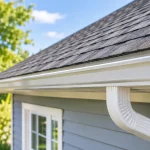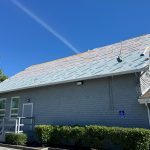

The most popular shingle color for San Francisco homes follows the national leaders: charcoal first, with weathered wood and pewter gray close behind. GAF, the best-selling shingle maker in the U.S., ranks Charcoal, Weathered Wood, and Pewter Gray as its top three colors for 2027. Manufacturer rankings are national rather than city-level, so the better question for a San Francisco homeowner is which of those colors suits your house, your light, and the rules that apply to your roof. This guide covers the most popular shingle colors, how to match them to common San Francisco home styles, and the cool roof and historic-review rules worth checking before you order.
Most Popular Shingle Colors in San Francisco
Neutral colors dominate because they pair with the widest range of siding, trim, and paint. Choosing durable roofing materials for Bay Area homes comes first, and color is the finishing decision within that choice.
| Color family | Example shingle colors | Works well with | What to know |
|---|---|---|---|
| Charcoal and black | GAF Charcoal, Owens Corning Onyx Black, CertainTeed Moire Black | Modern homes, light or white siding, stucco | The top seller nationally; strong contrast and a clean look |
| Gray | GAF Pewter Gray, Owens Corning Estate Gray, CertainTeed Georgetown Gray | Almost any style, especially blue, gray, and white exteriors | The most flexible neutral; cool tones can look flat in fog |
| Brown and weathered wood | GAF Weathered Wood and Barkwood, Owens Corning Driftwood | Warm stucco, cedar, craftsman, and earth-tone exteriors | Blended browns hide dirt and wear well |
| Tan and light blends | Lighter sand and tan shades | Mediterranean and warm stucco exteriors | Reflect more sunlight; less common on San Francisco homes |
Other manufacturers offer close equivalents to these colors, so a contractor can usually match a look across brands.
Best Shingle Color for Your San Francisco Home Style
These pairings are design guidelines, not rules. They show where each color family tends to work.
| Home style | Colors that tend to work | Why |
|---|---|---|
| Victorian and Edwardian with painted exteriors | Charcoal, deep gray, dark brown | A dark neutral roof lets the paint colors lead |
| Stucco and Mediterranean | Weathered wood, brown, tan | Warm tones echo the walls and trim |
| Mid-century and modern | Charcoal, black, gray | Clean contrast with flat planes and large windows |
| Craftsman and shingle-style | Weathered wood, brown blends | Natural tones suit wood siding and trim |
San Francisco’s fog and overcast light mute contrast, so a color that looks rich in a showroom can look flatter at home. Ask for full-size samples, set them on the roof, and look at them in morning fog and afternoon sun. View them from the street at 50 to 100 feet, because that is how most people see your roof.
Does Shingle Color Matter for Heat and Energy Codes?
In San Francisco, mostly no. San Francisco sits in California Climate Zone 3, where the mild marine climate means dark shingles are not a heat concern and steep-slope residential reroofs are not subject to the cool roof requirement that applies in warmer zones.
That changes inland. Under California’s Energy Code, steep-slope residential reroofs in Climate Zones 4 and 8–15 generally must use a Cool Roof Rating Council-listed product with an aged solar reflectance of at least 0.20, or meet an alternative such as added ceiling insulation or an attic radiant barrier. Inland cities fall in those zones, including Walnut Creek roofing projects in Zone 12 and San Jose in Zone 4. A standard dark charcoal shingle often does not meet that reflectance, so a cool-rated version or a lighter shade may be required. Confirm the rule for your address with your local building department before ordering shingles.
Historic Districts, HOAs, and Landmark Buildings
Color and material choices can be restricted where exterior changes are reviewed. San Francisco asks for a Planning approval letter, or confirmation that none is required, on landmark buildings, and the permit application asks whether roof changes will be visible from the street. Historic districts and homeowner associations may also set limits on shingle color. Check these first, because a color change that needs approval can delay the project, and the San Francisco reroofing permits process has its own online and plan-review paths.
Does Shingle Color Affect Price or Resale?
Within a single shingle line, standard colors usually cost the same, while specialty or designer colors can carry a premium. Color rarely moves the roof replacement cost in the Bay Area as much as roof size, pitch, layers, and decking condition do. For resale, neutral colors such as charcoal, gray, and weathered wood are generally the safest because they appeal to the widest range of buyers, and the best color is the one that suits the house.
How to Choose Your Shingle Color
- Start with what will not change. Match the siding, trim, doors, brick, or stone, not just the paint you may repaint later.
- Pick a neutral family. Charcoal, gray, and brown blends cover most homes.
- Test full-size samples on the roof. Look at them in fog, overcast light, and direct sun.
- View from the street. Judge from 50 to 100 feet, not from the driveway.
- Check the rules. Confirm cool roof requirements, landmark review, and any HOA limits.
- Ask about the shingle line. Blended architectural colors tend to hide dirt and fade more gracefully than flat colors.
FAQs
- What is the most popular shingle color?
Charcoal is the top seller among the best-selling shingle makers, with Weathered Wood and Pewter Gray close behind. GAF ranks Charcoal, Weathered Wood, and Pewter Gray as its top three colors for 2026. - What is the best roof color for a San Francisco home?
A neutral that suits your home’s style, such as charcoal, gray, or a brown blend. Victorians usually pair well with a dark neutral, and stucco homes with warmer browns. - Are dark shingles a problem in San Francisco?
Generally no. San Francisco’s mild climate means dark shingles are not a heat concern, and steep-slope reroofs there are not subject to the cool roof requirement that applies in warmer zones. - Do I need cool roof shingles in the Bay Area?
It depends on your climate zone. Steep-slope residential reroofs in Climate Zones 4 and 8–15, which include Walnut Creek and San Jose, generally need a Cool Roof Rating Council-listed product or an approved alternative. San Francisco is in Zone 3. Confirm with your building department. - What shingle color is best for resale?
Neutral colors such as charcoal, gray, and weathered wood appeal to the widest range of buyers, but the best choice is the color that fits your house. - Does shingle color affect the cost of a new roof?
Usually not within the same shingle line. Specialty or designer colors can cost more, and roof size, pitch, layers, and decking matter far more. - Can I choose any roof color in a historic district or HOA?
Not always. Landmark buildings, historic districts, and many HOAs review exterior changes, so check approval requirements before you order materials. - Are architectural shingles or metal roofing the better value?
Architectural shingles typically cost about $8–$14 per square foot installed in San Francisco and last 25 to 30 years, while standing-seam metal roof installation typically runs about $12–$22 per square foot across the Bay Area and can last 40 years or more. Shingles cost less up front and suit most homes, and metal can be the better value if you plan to stay long-term. Shingles also offer a wider range of colors and blends, and metal finishes should be rated for coastal exposure.
Choose the Right Shingle Color With Equinox Roofing
Equinox Roofing Solutions has completed 1,000+ roofs, holds a 4.9★ rating on Google and Yelp, and backs its work with a 10-year workmanship warranty. Our residential roofing services include helping you compare shingle colors on your own roof, and a free roof inspection gives you a written scope before you choose.